

What Creatine Actually Does To Your Body And Brain.
- Words
- XP3
The most studied supplement in sport, and still the most misunderstood. What the research actually measures, what it does not, and who it is really for.

Ask ten people in a gym what creatine does and you will get ten confident answers. Ask them where the answer came from and most will name a friend, a forum or a label. That gap, between how sure people are and how little they have read, is the whole reason this series exists.
So we started with the question underneath the question. Not “should I take it”, but “what has actually been measured, in whom, and for how long”.
The short history of a long argument
The research is older than most of the people arguing about it. It has been studied in sprinters and in older adults, in laboratories and in teams, in doses that look nothing like the scoop in the tub. That breadth is why it is so often called the most researched supplement in sport. It is also why so much gets claimed on its behalf.
A large body of evidence is not the same as a large effect. It means we can be clearer about the boundaries: where the findings are consistent, where they are thin, and where people have simply stopped reading.

What the studies actually measure
Here is where the label and the literature part ways. A study measures one thing, under one protocol, in one group of people. A label takes that one thing and makes it sound like everything.
The honest version is less exciting and more useful. It tells you which kind of training the research looked at, how long the effect took to show up, and who seemed to respond and who did not. It also tells you what nobody has looked at properly yet.
The question is never whether something works. It is: works for what, in whom, and compared with what.
We asked our reviewer to read the section you are reading now before it went live. Their note was short: say what the evidence covers, say plainly where it stops, and let the reader decide. That is the standard every piece in this pillar is held to.


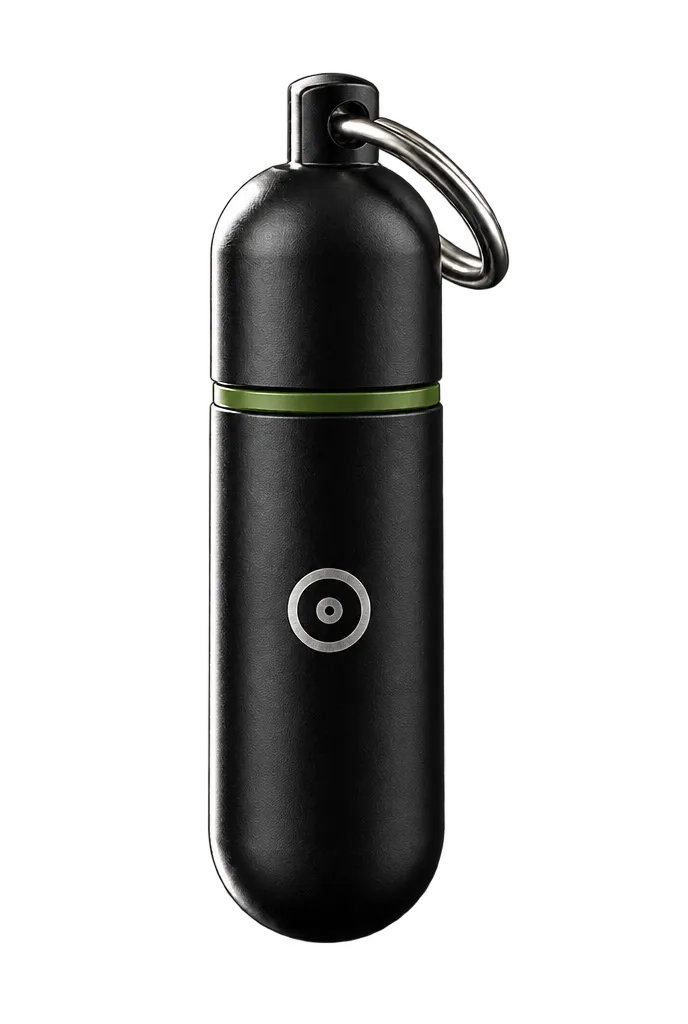
You’re on the pod list.
Thanks for being early. The first issue lands Thursday, and we’ll email you for a postal address when pods are ready to send.
Where it stops
There are open questions, and some of them are the ones people care about most. The brain, for example, is where the most interesting research is happening and where the least should be claimed. Early findings are early. We will come back to them when there is more to say, and we will say what changed.
 A slow loop of an athlete training with a weighted ball.
 Who it is for
If you have read this far hoping for a verdict, here is the most honest one we can give. Read the evidence for the kind of training you actually do. Talk to someone qualified who knows your history. Be suspicious of anything, including this article, that sounds certain about you without knowing you.
That is not a dodge. It is the standard XP3 holds everything to.